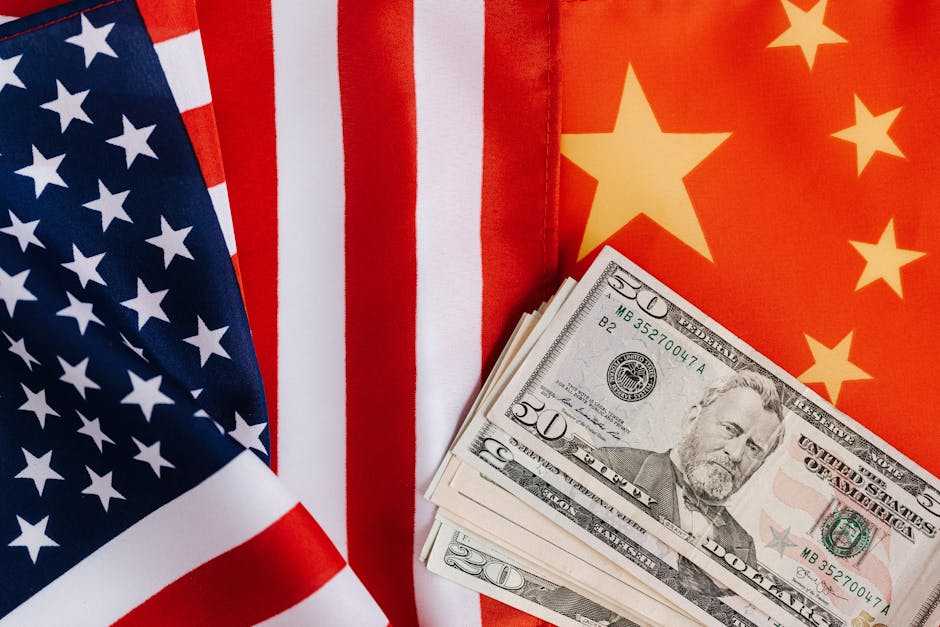
What Happens When Politics Meets Finance
Geopolitics doesn’t just make headlines it moves markets. Tensions rise, investors get jittery, and capital shifts fast. When the world watches a conflict, a trade war, or even an unexpected election result, money reacts. Markets crave one thing above all: stability. And geopolitics isn’t known for that.
Look at history. U.S. elections often jolt markets in the short term, no matter who wins. War or military conflict? Uncertainty skyrockets, and safe haven assets like gold and government bonds typically rally. Sanctions and policy shifts say, cutting off a country’s oil exports send ripple effects across global supply chains, hitting specific industries hard (energy, defense, and tech most of all).
But here’s the crux: markets don’t wait for final outcomes. They respond fast to perceived threats, not confirmed facts. It’s the cloud of the unknown that sparks volatility. A hint of chaos in one corner of the world can cause portfolio managers on the other side to shuffle billions.
For savvy investors or curious observers, the lesson’s simple. Pay attention to the signals, not just the noise. Because in times of global tension, the markets are listening carefully and reacting even faster.
Key Factors That Drive Market Response
When politics boil over, investors start looking for cover and markets don’t wait for full context. The first reaction is often emotional: gut level reassessments of risk, safety, and opportunity. Sentiment can shift in a flash. Investors drop risky assets, pile into safer alternatives, and revalue everything from energy pipelines to microchips.
Gold, U.S. Treasuries, and the dollar usually see inflows during geopolitical tension. These are the go to safe havens. They’re not flashy, but in a market spooked by sanctions or saber rattling, they offer reliability when everything else feels unstable. Watching where the money runs during crises gives you a real time window into global anxiety.
Then there’s volatility. The VIX Wall Street’s “fear gauge” tends to spike when uncertainty hits. A sudden surge can tell you markets are bracing for impact, even if that impact isn’t clear yet. For traders and longer horizon investors alike, tracking the VIX offers a temperature check on how shaky the ground really is.
Industry vulnerabilities also come front and center. Defense stocks often tick up during military tension. Energy surges if supply lines get threatened. Tech can go either way especially when trade tensions or cyber concerns flare up. Understanding which industries stand to gain or lose from specific political events is less about guesswork and more about knowing who’s in the crosshairs.
Real World Examples That Moved the Markets

When politics and finance collide, the result can send shockwaves through global markets. Several major events in recent history serve as powerful examples of just how sensitive markets can be to geopolitical developments.
Brexit and the British Pound
The United Kingdom’s decision to leave the European Union in 2016 introduced massive uncertainty into the global economy.
Immediate impact: The British pound plummeted to its lowest level in decades within hours of the referendum result.
Investor reaction: Global markets experienced volatility, particularly in European equities and financial sectors.
Long term effects: Ongoing negotiations and trade uncertainties kept the pound in flux for years, affecting cross border investments and business confidence across Europe.
U.S. China Trade Tensions and Tech Stocks
The escalating trade war between the United States and China beginning in 2018 placed tech companies at the center of a high stakes standoff.
Tariff threats and real impacts: Restrictions on imports and tariffs created uncertainty that rippled through global supply chains.
Tech sector in focus: Leading tech companies, especially those reliant on Chinese manufacturing or exports to China, saw sharp stock price fluctuations.
Strategic decoupling: Investors began to reassess exposure to companies embedded in the U.S. China trade dynamic, prompting shifts toward more regionally diversified assets.
Russian Invasion of Ukraine and Energy Markets
The 2022 invasion of Ukraine by Russia shook the global economy and exposed the financial vulnerabilities of energy dependence.
Oil and gas prices soar: Global crude oil and natural gas prices surged amid fears of supply disruption.
Regional instability: European markets, in particular, were highly sensitive, as many relied heavy on Russian energy imports.
Market wide volatility: Energy, defense, and commodity sectors surged, while equities in vulnerable regions experienced increased risk off behavior.
These examples underscore the complex and often immediate ways in which global political events can impact financial markets. Investors must remain vigilant and responsive to developments that can influence entire sectors and economies overnight.
Smart Strategies for Investors
When politics gets messy, markets tend to follow. But panic isn’t a strategy diversification is. Spreading investments across sectors, asset classes, and even geographies helps reduce exposure to any one hotspot. Holding onto only tech stocks during an election year? That’s gambling, not investing.
The key during uncertain times is knowing what matters and what’s just noise. Headlines are loud, but not all geopolitical events have lasting market impact. Smart investors stay grounded by tracking fundamentals not Twitter feeds. It’s less about reacting fast and more about responding with a plan.
Short term panic selling rarely pays off. Instead, investors who zoom out and stick to a long term thesis tend to weather storms better. Markets hate unpredictability, but they also rebound. The challenge is hanging on when everything feels sideways.
More on how to play smart during political chaos: How global political events impact the stock market key insights for investors.
What to Watch Going Forward
2024 won’t be a quiet year. Elections in major global economies including the U.S., India, and the EU mean policy shifts are coming, with market implications riding close behind. Investors should expect short term volatility as parties lay out agendas and early polls shake confidence.
Meanwhile, international tensions from China Taiwan relations to ongoing conflicts in Eastern Europe continue to pressure global supply chains and energy prices. Add to that a growing wave of regulatory crackdowns on tech and crypto, and suddenly no sector feels entirely insulated.
Central banks are stuck in a balancing act. Inflation is still in the equation, but so is the risk of overcorrecting. Interest rate moves especially from the Fed or ECB will be reactive, not predictive. Fiscal policy could see a return of spending stimulus or austerity, depending on election outcomes. Either way, markets will move fast in response.
In a world running hot politically and economically, staying informed without getting whipsawed by every headline is key.
Explore more about political events and markets