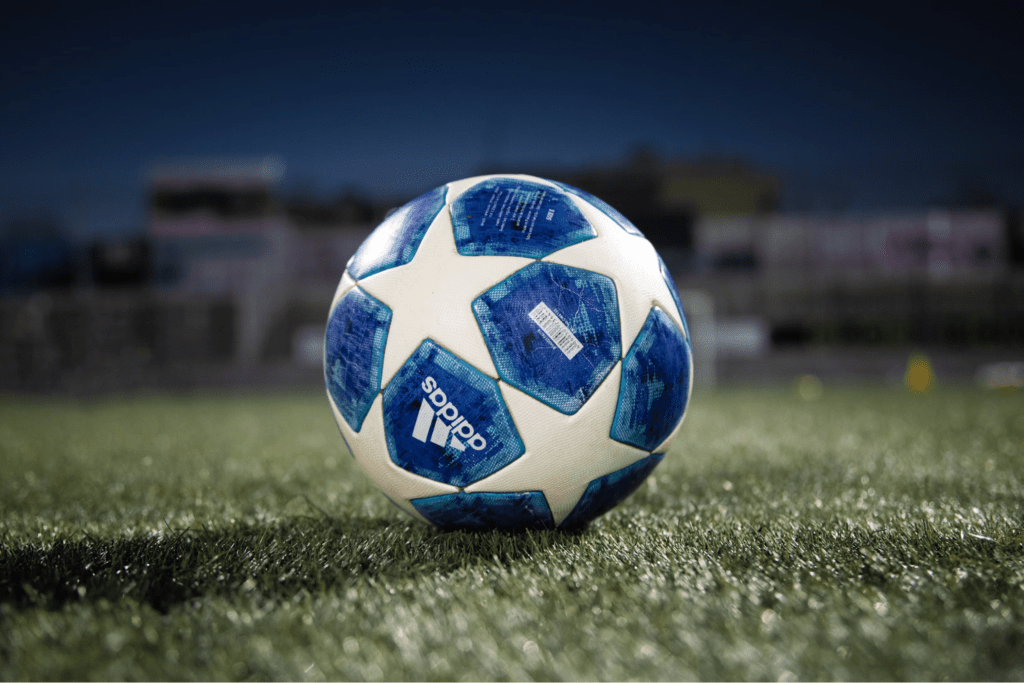
The UEFA Champions League compresses decades of club identity into ninety-minute bursts. It brings local histories into a shared continental stage where an away goal, a late run, or a fingertip save can tilt entire narratives. The anthem cues ritual. The flags rise. Cities pause. For many supporters, these evenings replace routine with ceremony and promise.
Halftime Theater and Digital Chatter
Matchdays stretch far beyond kickoff. During breaks the global crowd scrolls clips, trades lineup theories, and jokes about probabilities the way friends might spin a funky time game online demo between highlight reels. The comparison fits only in spirit. The real dice roll lands on the pitch, where structure, courage, and one clean touch decide whether tension becomes joy.
Format That Rewards Nerve
The competition asks teams to be multilingual in footballing terms. Group games test consistency across travel and climates. Knockouts demand cold clarity under pressure. Opponents vary in pressing heights, rest defense, and tempo control. Squads that adapt without losing identity tend to advance. Margins live in small details like restarts, substitutions, and how well a side survives the first press.
Tactics Written for Travel
Champions League success rarely mirrors domestic autopilot. Managers plan for unfamiliar shapes, smaller rehearsal time, and stadium acoustics that compress space. Full backs may invert to add midfield control. Wingers might pin a back line to carve the half space. The best sides carry a second speed for the last twenty minutes, when legs fade and gaps open.
Five Reasons It Hooks a Global Audience
- Shared calendar, shared suspense, a rhythm that lets millions watch together.
- Clash of philosophies, possession craft meets vertical blitzball on neutral terms.
- Urban pride on display, clubs carry city stories into new languages.
- Heroes and foils, a season manufactures new legends beside old ones.
- Travel drama, far corners of Europe color each tie with weather, noise, and ritual.
Stars Who Bend Time
Elite players stretch seconds when the stadium feels breathless. A midfielder on the half turn can slow chaos into clarity. A winger with gravity wins space for others without touching the ball. A goalkeeper with fast feet shortens the goalmouth. Knockout psychology amplifies these micro talents. Supporters remember them as snapshots that define springs and summers.
Coaching Margins That Matter
Preparation lives in verbs rather than slogans. Teams pin, screen, arrive, and reset. Triggers cue tempo shifts. A backward touch invites a coordinated jump. A sideways pass beckons a trap near the touchline. Training builds these habits until they survive fatigue and noise. When a plan looks simple on television, that usually means hours of rehearsal paid off.
Five Ingredients of a Title Run
- Rest defense that travels, compact spacing that kills counters before they bloom.
- Set piece clarity, rehearsed routines for first and second contacts in both boxes.
- Recovery speed on the spine, defenders who close space without fouling.
- Bench roles with purpose, substitutes who change state, not just legs.
- Calendar discipline, rotation that protects hamstrings and preserves sharpness.
Money, Models, and the Middle Class
Revenue gaps shape choices, yet smart clubs find edges. Data helps identify traits that scale across leagues, while academy pathways lower risk and wage drift. Loan networks become finishing schools. Even giants benefit from discipline. The teams that steer clear of panic windows and respect internal hierarchy often arrive in spring with fresher minds and cleaner game states.
Technology and Human Judgment
VAR trims some chaos, then adds new debates. Semi-automated offside speeds decisions but still asks for trust. Tracking data reveals loads and sprints, yet it cannot measure nerve when a stadium sways. In the Champions League both tools coexist. Coaches blend numbers with feel, because knockout ties still hinge on context that no sensor records.
Culture That Outlasts Results
The competition binds eras. Parents explain why a certain away corner hurts. Children learn songs, stadium etiquette, and names that read like myths. Clubs evolve, yet rituals repeat. Scarves twirl under cold lights. Captains argue with grace. Stewards nod at familiar faces. Even when a campaign ends early, the memory returns when the anthem plays again.
What Comes Next
Formats may stretch, and travel may change, but the core appeal remains stable. The Champions League rewards teams that learn new opponents quickly, protect their box when the storm comes, and seize five-second windows in crowded penalty areas. It also rewards supporters who make time for shared nights. That mix of precision and romance keeps the tournament young, even as its history grows.